
 Steve PMH
Music is in no shortage of tricky and loose terms, especially when it comes to genres. For example, blues music alone has more than a couple of dozen types and sub-genres!
Now with alternative music, you’re literally saying “other” music, which sounds so vague that it makes me wonder if it was actually meant to confuse us. If you’ve ever wondered “what is alternative music?”, well, join the club.
I mean, when certain music is said to be “alternative”, what is it alternative to exactly? Is there even one set definition for it or does it refer to multiple explanations?
Well, it’s no secret that alternative music has always had an identity crisis. But in today’s article, I’ll put on my music therapist hat and do my best to give it, and you, a proper introduction.
What is Alternative Music?
For the sake of providing a short answer, I’ll say that alternative music is everything that pop music isn’t. Pop music refers to whatever music is popular and trending on the music charts, and alternative rock is supposed to mean the opposite of the popular or the opposite of the mainstream.
That being said, many people nowadays use the term “alternative” when they want to describe newer forms of rock music; modern rock if you may.
Alternative music is also commonly used as a broad music category that includes various sub-genres such as indie rock, alternative rock, and alternative.
What does Alternative Music Mean?
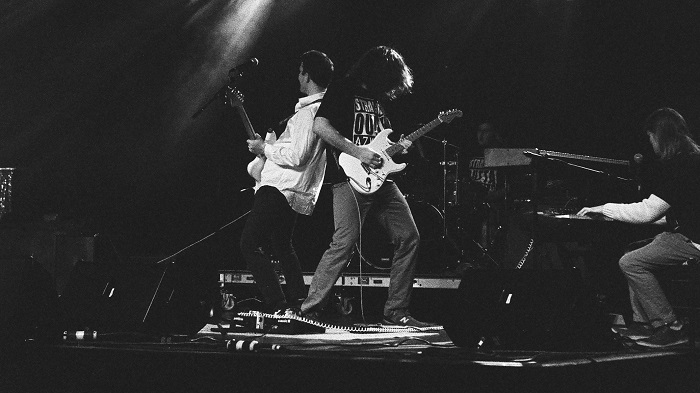
I mentioned earlier a question regarding what alternative music could be alternative to. So before I get into more “technical” definitions, I’d like to take a few minutes and list some of the answers I got to this question when I asked some of my music-loving friends. Here it goes, alternative music is alternative to:
- Status quo.
- Classic rock.
- Popular music.
According to this information, I was able to form a particular idea about the way everyday people view alternative music.
When the presented music is outside of the box, it’s “alternative”. When the presented music sticks it to the man, is made about the art not the business side of the music industry, defies repressive politics, challenges classism, racism, or sexism, it’s “alternative”.
The beauty of alternative music lies beyond how good it sounds or how much skill is required to make it — it’s about the message. As a result, alternative music has been considered the underground sanctuary for the radicals and free-thinkers of the world.
Definitions
Although all of this talk makes sense (hopefully!), it’s not solid enough as an answer to when someone asks what alternative music means. A better approach would be to provide a definition.
But since we’re talking about the elusive alternative music, a bunch of definitions is more appropriate if we’re going to capture the whole idea. Without further ado, alternative music is:
1. The product of an artist making music on different terms than the typical standards for what the industry deems as popular.
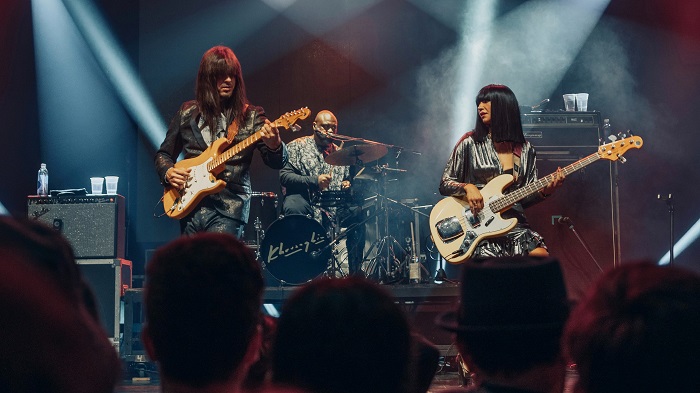
For a lot of listeners, the words “alternative music” and “non-mainstream” go hand in hand, almost interchangeable even. As a result, any non-conforming musical style, genre, or musician gets associated with alternative music.
This can create a dilemma for artists of the alternative music scene. One on hand, an artist could often get misunderstood just because they’re members of the alternative scene. On the other hand, an artist who belongs to the alternative music scene may not even be labeled as such because of the stereotype attached to it.
What I mean is, you could be an alternative artist, but because your music isn’t grouped with the alternative music of Nirvana, The Chainsmokers, or Arctic Monkeys, you’ll be thrown with every other alternative artist under one inaccurate umbrella of alternative music. This can make alternative artists feel like their specific genre is under a heavy stigma since people fail to properly acknowledge them.
To be fair though, I have to point out that this isn’t a new issue or anything like that. It’s known -and almost expected by now- that the majority of underground music and artists don’t receive enough recognition from critics or coverage by the mainstream media. Being overlooked in these ways makes the artists of the genre “opposite to mainstream”, which is what? That’s right, alternative.
Then again, this just brings us to what’s considered the goal of alternative music: bringing together artists who are willing to break the rules, think out of the boundaries, and stick it to “the man”. In doing so, these artists are in it for the art, and they don’t mind the alternative tag as long as their message gets across.
2. A cultural/musical movement that encourages creativity without controlling it.
Another beautiful thing about alternative music is that it doesn’t have to be anything. It doesn’t have to be new, non-orthodox, or experimental — it can simply be creative.
For this reason, a lot of artists consider themselves part of the alternative scene. For example, artists of indie pop, alternative rock, alternative hip hop, and more. Under this definition, creativity is the main criteria that music needs to abide by to be considered “alternative”.
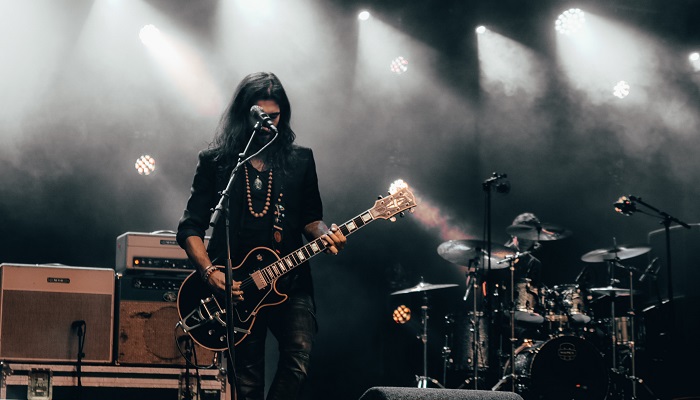
So if an artist isn’t particularly “revolutionary”, they can still be alternative as long as they’re doing something unique, and in the process, changing up the game. It takes courage to stand out and present a different sound, and that’s more than enough for an artist to join the alternative scene.
Agree or disagree, but Lorde makes a top-notch example of this definition. Even though she was very “trendy” and it seemed like every blogger had to mention her at some point –making her mainstream–, we can’t deny that her sound was unique and offered something new to pop music.
I think the same goes for any other artist who was or is brave enough to give the audience something different and doesn’t just take the easy road and play it safe. Come to think of it, this is a common factor between all best-selling alternative artists of all time — they’re all creative and didn’t surrender to the conventional mold.
3. A collection of music genres and musical styles.
When people think of alternative music, many tend to consider it a single music genre.
This, however, isn’t accurate because when you look at alternative music through a more “experienced” eye, you’ll find that it encompasses a wide range of genres and subgenres of music.
For example, alternative rock is alternative music, so is alternative country, alternative folk, punk rock, and electronic music.
Alternative music can also refer to artists of several musical styles as it’s not tied to only one style. As such, an indie artist can be alternative, an experimental artist can be alternative, and a progressive artist can be alternative.
The same goes for a rock artist, a pop artist, jazz, an electronic, a punk, or a hip hop artist. You can be an alternative artist no matter your chosen style of music as long as you’re doing your own thing.
4. The opposite of mainstream.
As I’ve mentioned earlier, alternative music –in the most basic sense– is the opposite of mainstream. It’s not what the music you’d usually hear on the radio or the music typically played in cafes and restaurants.
This doesn’t mean that alternative music is better or worse. It only means that it’s different from the majority.
It’s also worth noting that if you’re an alternative artist, this doesn’t mean you fit into all the genres and categories included under the umbrella of alternative music. So if you’re a punk rock artist, you’re not also an indie rock or an alternative country artist by association.
5. The sound of the outsiders.

A lot of people view alternative music as outsiders’ music, whether it’s the artists who made the music or the listeners enjoying the music. I don’t know if I fully support this definition, but it does exist. I’d just say they aren’t outsiders, just different.
These outsider artists have something to say, and those who listen can relate to their message.
While it’s true that artists who are part of the alternative music style or those with an alternative music background aren’t your run of the mill “mainstream” artist, at least they aren’t afraid to express themselves even if what they have to say isn’t what the audience is used to hearing.
They may start as outsiders, but they play the game by their own rules and eventually find those who appreciate what they offer.
What Characterizes Alternative Music?
Now that I’ve covered just about every definition of alternative music I could find out there, it’s to discuss what qualities make alternative music, well, alternative. Through my research, I found four main characteristics that make this type of music what it is.
1. Alternative music is loosely defined
Although the term “alternative music” has existed for more than a couple of decades, it’s still rather tricky to come up with an exact definition to describe it. Many have tried, but in the end, people have accepted the fact that the phrase has been used to indicate different meanings right from the start.
I remember back around 2000 – 2004, I and a bunch of my friends referred to some famous rock bands as alternative music. I knew people who called Christian rock and folk-pop alternative music.
Fast forward a few years –around 2007 – 2008–, alternative music expanded to include the newly-recognized indie music. So we had bands like My Chemical Romance and Arcade Fire join the alternative classification.
To sum up, alternative music is any attempt to categorize a type of music that doesn’t have a place in the mainstream music of a certain time.
2. Alternative music has unorthodox vocals
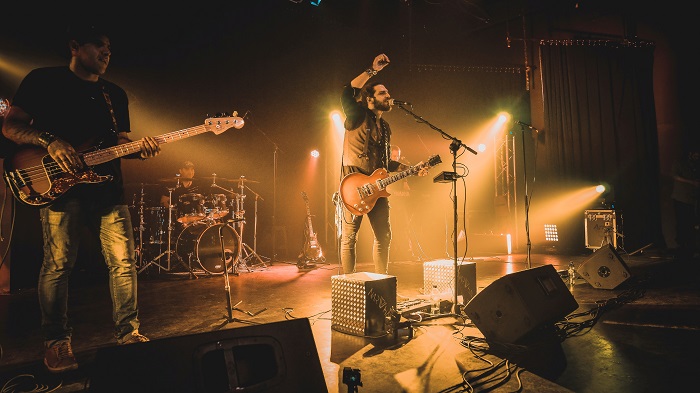
If you spin a globe and look at whatever country your finger lands on, chances are it’ll have a unique point of view as to what good vocals should sound like. This is because the vocals in any country are influenced by its culture, which ends up creating a general agreement among the public on what “normal” and “high-quality” sound like.
Considering the US in particular, I’d say that this “agreement” hasn’t been updated for almost half a century. Nice singing still revolves around having a wide vocal range, having natural vibrato, and throwing in a touch of improv throughout the main melody.
In alternative music, however, artists don’t agree with these general standards. A lot of alternative artists chose to use unusual vocals to express their art, and it happened across different times too.
In the early 2000s, a genre called freak folk gained much popularity, and yet it didn’t resemble the vocal norm of the era — not even by a long shot. Freak folk was simply about putting together a sequence of weird or unfamiliar vocals into a single track or piece of music.
To say it sounded unorthodox would be a very accurate description, and that’s why freak folk music is categorized under alternative music. Examples of freak folk artists include Animal Collected, Devendra Banhart, and Grizzly Bear.
Granted, some freak folk artists didn’t produce music that was very odd or unusual, but the uniqueness of their vocals single-handedly pushed their music into being considered alternative.
Such artists would probably be forever labeled as alternative because their vocals are highly unlikely to become popular enough to join the mainstream sound.
3. Alternative music uses unusual musical structures

Another characteristic of alternative music is including unusual and innovative musical structure.
This is unlike mainstream music that seems to be repurposing a couple of basic song structures over and over for the past few decades. If you’ve ever turned on the radio to a mainstream channel and noticed that most songs pretty much sound the same, then you know what I’m talking about!
If we break down the structures of these songs, we’ll find that they’re always along the lines of the following formula: start with a verse, go in with the chorus, move to a second verse, throw in a bridge, then repeat the chorus until the song is over. Pop artists and producers may slightly alter the formation, but almost all pop hits for the last 50 years or so share the same basic formula.
As we’ve already established that alternative music is the opposite of pop music, this concept stands true when it comes to musical structure as well. Consequently, alternative music can be characterized by the application of an unconventional musical structure extending from the lyrics to instruments.
Alternative music is a breath of fresh air in the ocean of mainstream repetitiveness. Here, songs include many ideas, painting several images one after another and flowing from melody to melody next in only a few seconds.
Similar to using atypical vocals, applying strange musical structures is one of the reasons artists or songs who adopt this technique would probably be forever labeled as alternative. Pop music requires a certain level of repetitiveness to make it easy among more listeners, so it becomes mainstream.
With alternative music incorporating innovative structures, repeating and remembering entire songs after hearing them once or twice is much more difficult.
4. Alternative music doesn’t abide by length guidelines

Finally, alternative music doesn’t stick to standard song length guidelines. As I said before, alternative artists don’t play by the rules, and the rules of song duration are definitely no exception.
For example, Pink Floyd released a song called Echoes towards the end of 1971. The official playtime of this progressive rock/ psychedelic rock song is 23 minutes and 35 seconds.
Many people know this particular song, but a lot more don’t. This brings me to the point of why such songs are labeled as alternative; they’re simply too long to be broadcasted time after time on the radio.
It’s rare for a radio station to play songs longer than the 3 or 4-minute songs which are known to be a “hit” among the public and, consequently, raise the station’s rating and revenue. This doesn’t really matter to alternative artists, they’ll put out what they feel will convey the message.
What are the Genres of Alternative Music?
Alternative music includes dozens of genres and subgenres under its dome. Here are some of the most commonly known ones:
- Alternative country
- Alternative folk
- Alternative rock
- Brit-pop
- Emo
- Gothic
- Grunge
- Indie rock
- Industrial
- Shoegazer
- Post-rock
- Punk rock
- New wave
- Nü-metal
Alternative Music Today
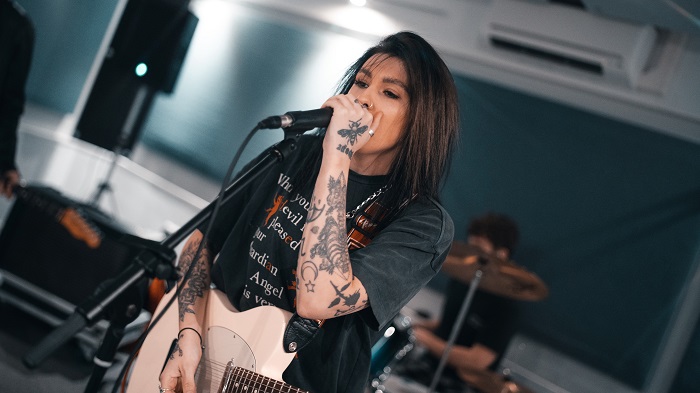
Alternative music nowadays is mostly mainstream music. That’s because the majority of average listeners associate the term “alternative” with negative ideas.
The reason behind this seems to be that people consider any song that isn’t popular to be alternative, whether it’s good or bad. is very much mainstream popular music.
Luckily, some independent labels and artists out there are still working towards capturing the original spirit of alternative music. The support for them isn’t nearly as extensive as record labels adopting mainstream music, which takes a toll on the availability of alternative art.




1 comment
extremely helpful