Steve PMH
Music is a diverse medium. It brings people together through shared emotions and experiences. Yet, sometimes, our tastes in music diverge over generational gaps and geography.
The way we see it, this musical spectrum isn’t an issue at all. It’s an opportunity to see the world from different perspectives.
Drill music is rising to the scene. Some people are loving its authentic vibes, while others are calling for its ban. So, what is drill music and how should we feel about it?
What Is Drill Music?
Drill music is a subgenre of rap music known for its blunt lyrics and dark tone, appealing mostly to teenagers and young adults.
Drill rap has been criticized for being too blunt. Despite the deadpan delivery; drill is accused of sparking violence and glorifying crime.
What Is the History of Drill Music?
The origin of drill music traces back to the South Side of Chicago back in the early 2010s. Pac Man (Larry Johnson) is often referenced as the creator of drill music. The first prominent use of the term in rap music was in his track “It’s a Drill.”
The term “drilling” in the track can be interpreted as a gunfire showdown. In fact, Pac Man himself was a victim of gun violence in the Woodlawn neighborhood.
In his memory, many Chicago rappers call his neighborhood “Dro City” after his last track. Dro City is now a prominent spot for rap and its subgenres.
Ever since that time, rappers have been using drill rap to talk about gang-affiliated violence. Later, the form started to take roots in the UK, creating the iconic UK drill that we know today.
What Are the Characteristics of Drill Music?
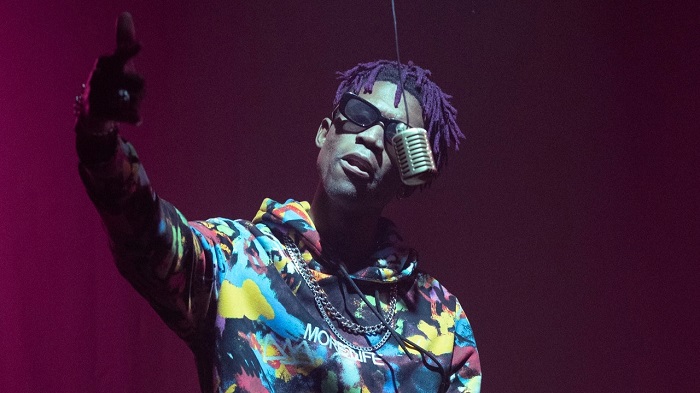
Drill music varies slightly from one region to the other. For instance, American drill artists rely heavily on autotune.
Meanwhile, British drill music lacks the fine touch of autotuning and is a raw art form. It’s unfiltered, but it also has more emotion seeping through.
Yet, most drill music tracks share a few characteristics:
Drill Melody and Pace
Unlike regular rap and mainstream hip hop, drill rap doesn’t demand a high beat per minute (BPM.) Instead, the melody comes as a priority, even if it means a slower beat.
Keep in mind that drill has a lot in common with grime music. The main difference between them is the pace. Grime music has a much faster pace and heavier bass.
Drill Lyrics
The unfiltered lyric is a large part of any drill track. Drill artists don’t shy away from referencing gun violence and drug use.
Drill rappers use slang like “bando” and “bells” that reflects the nature of life on the streets. To put it lightly, drill music is full of explicit content in the visuals, melody, and lyrics.
Drill Delivery
Drill artists don’t sugarcoat. Metaphors and wordplay aren’t common in drill tracks.
The delivery style is blunt and often devoid of emotion. However, the UK drill has a wider expressive range.
Often, the track is full of pauses and stops in lyrics. The beats might seem off-beat and chaotic. Making the violent lyrics even more disturbing.
Drill Production Value
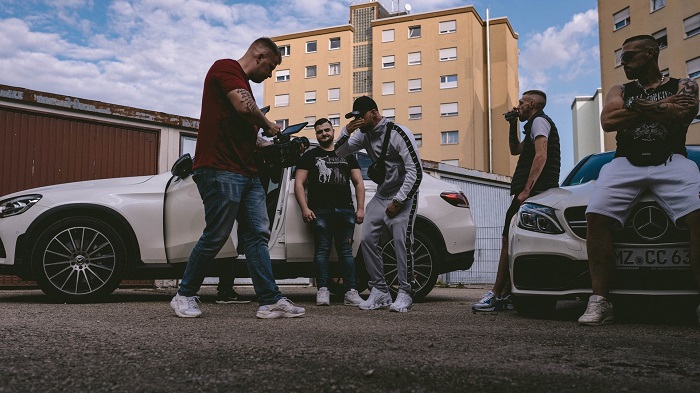
Although the audio can be refined with auto-tone, the video production value is bare. The scenery is mostly streets or small apartments without much editing or manipulation.
Much like trap music, drill tracks have hi-hat rolls at around 1/32 resolution. The 808 drum beat is also quite common in drill music along with sputtering drums.
Drill Masks
In many drill tracks, you can see the rappers covering their faces with masks. The types vary between balaclavas, snoods, and solid masks.
The rappers usually use aliases and not their real names. This might be to create a sense of privacy if the rapper isn’t very famous, yet.
Why Is Drill Music Censored?
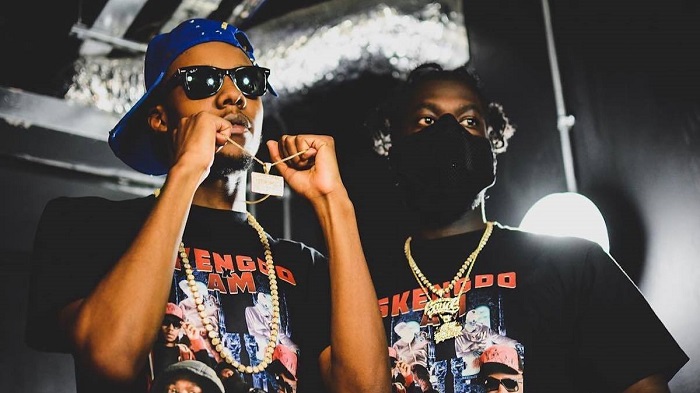
Back in 2018, the UK banned two young drill artists, Skengdo and AM, from performing drill tracks under a gang injunction. The same year, West London group 1011 was also banned from using certain topics in their lyrics.
Local authorities blame drill rap for glorifying violence and spreading gang culture. Meanwhile, parents are concerned about the influence that drill music might have on their kids.
Honestly, we get it. A typical drill music track will have mentions of drugs, violence, and nihilism. We’d be worried too if that’s the only thing that a kid hears.
Is Criminizaling Drill Music the Answer?
When you take a look at the repercussions of banning drill music, you’ll see that criminalization isn’t a magic fix.
Skengdo and Am were back in the scene with a song titled “#410 In Spain” the very next day after the ban was lifted.
Not only that, but during the two years of the ban, Skengdo and AM gained attention from social media.
All this press and attention probably helped spread drill music even further. So, perhaps, criminalizing drill music isn’t an effective answer to the problem.
Does Art Really Imitate Life?
Drill tracks often tell the stories of street life. Unfiltered, violent, and gritty stories. It may be tough to face, but a part of drill music reflects real life.
In fact, many drill rappers have witnessed firsthand the impact of gang violence on their neighborhoods. Countless rappers were victims of gun shootings too.
Bondokay, one of the UK drill artists, describes drill music as an “escape from gang life.” To him, drill music is a way to make money while venting about the hardships and dangers of street life.
He says that it’s a diversion for young youth like himself. From camera crew to social media managers, music provides income to teenagers who would’ve resorted to crime otherwise.
What Do the Experts Say?
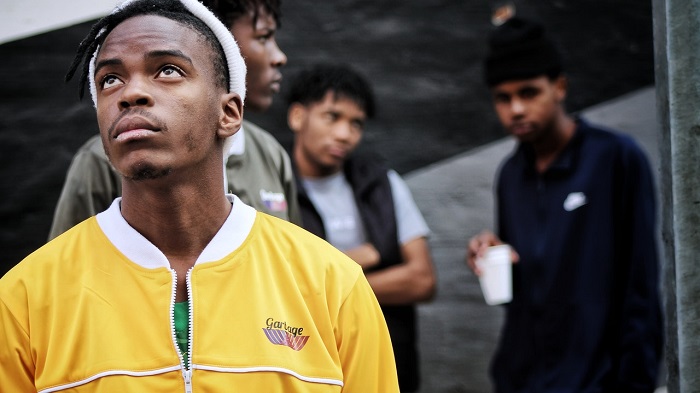
The UK Children’s Society relates high crime rates to childhood trauma, family breakdown, and discrimination. Drill rap is just a symptom of this street culture.
Instead of banning drill rap, addressing the root causes should be the main priority. Keep in mind that drill rap reflects a lot of societal issues that younger generations face.
Sure, monitoring explicit visual content on social media platforms is necessary. However, a full ban seems to close a door to a conversation about crime and street life.
Silencing these conversations before they start might perpetuate the cycle of intergenerational violence and discrimination.
What Could Be Done?
The Stride project targets criminally exploited teenagers between 11 and 18 years old. Under supervision, the young men are encouraged to express themselves healthily.
When we consider that rappers are singing about real street experiences, we see a different perspective. Drill rap doesn’t necessarily entice violence. Rather, it’s an opportunity to talk about the existing violence.
Who Are the Most Famous Drill Artists?
Besides Pac Man and his short journey in drill music, there’s a long list of famous young drill rappers who were influenced by his style.
Here are the top five drill rappers that helped shape the drill subgenre:
Pop Smoke
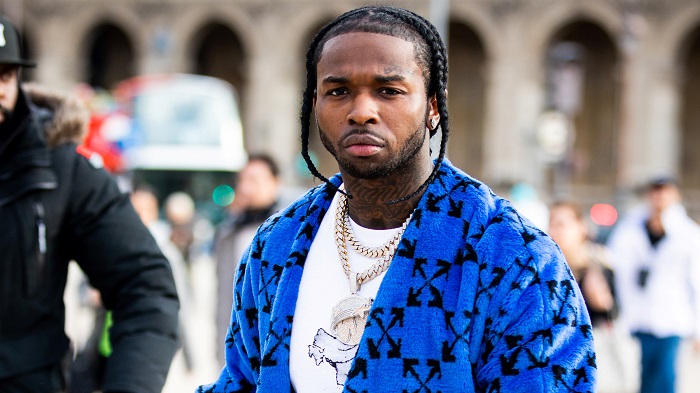
Pop Smoke (Bashar Barakah Jackson) was a Brooklyn-based drill rapper. In 2019, Pop Smoke collaborated with 808Melo. Soon, he became a sensation in the British streets.
Like Pac Man, Pop Smoke died young (20 years old!) as a victim of gun violence. Many people believe that Pop Smoke was opposed to limiting drill music to gang culture. He wanted to create relatable street music.
Chief Keef
Chief Keef (Keith Farrelle Cozart) started performing music as a teenager. When he first started, drill rap was still a new concept, so he was quickly regarded as a pioneer.
Chief Keef’s track “Bang” was a hit in Chicago. 16-year old Keith created and recorded the track in a bedroom. Despite being created on low production value, “Bang” was a game-changer for Chief Keef’s career.
Lil Durk
Lil Druk (Durk Derrick Banks) is another Chicago rapper that took the stage early on. Even if you aren’t a fan of drill music, you’ve probably seen his meme with Young Thung.
The dark nature of drill rap allowed Lil Durk to sing openly about his own experiences. “Turn Myself In” is a break from the monotony of drill music. The track is auto-tuned but has an occasional glimpse of pain and melancholy.
King Louie
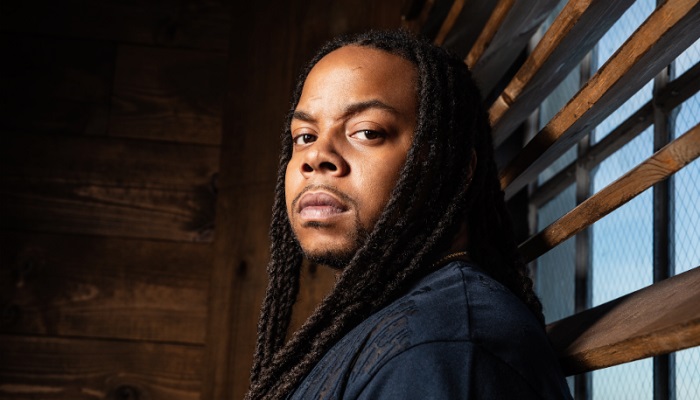
King Louie (Louis King Johnson) was a personal friend of Pac Man. After Pac Man’s death, Louie continued rapping in the same style.
During 2015, he had to take a brief break after suffering a gunshot wound. His releases have slowed down significantly ever since. His most famous drill track is still “Made / Drill” with over two million views.
King Von
King Von (Dayvon Daquan Bennett) started rap music in collaboration with Lil Durk’s recording label, Only the Family.
The drill rapper was included in the 63rd Grammy Awards Memoriam among other notable artists who passed away that year. King Von’s career may have ended early, but he left a positive impact on the industry.
Here’s to the memory of all the musicians who used authentic art to inspire others.